
New Ways AI Is Shaping Characters and Digital Stories
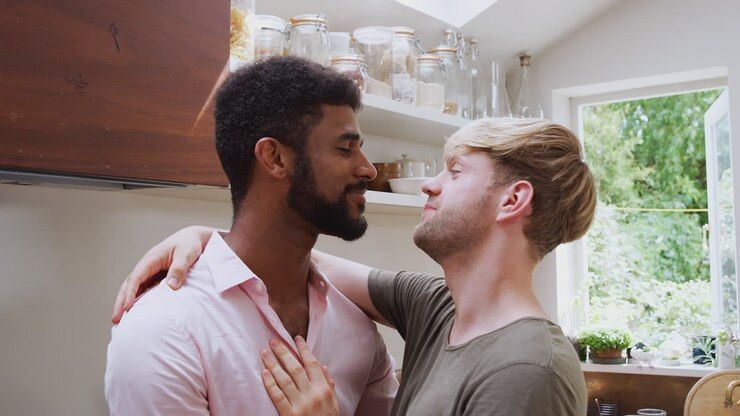
Digital Storytelling is evolving quickly because of rapid technological advances, creating new avenues for creative expression.
Writers, Artists, Filmmakers, and other Creative People who can create imaginative worlds and represent their thoughts/ideas visually now have more opportunities than ever before. Characters can grow in depth within an imaginary world; A particular atmosphere can be created from a specific location; Visual representations of anything imaginable with regard to characters/scenes/etc. do not rely solely on manual work. Platforms such as AI Gay Porn demonstrate one example of how Artificial Intelligence (AI), specifically the ability to generate fictional characters, etc., can represent fictional content visually.
Artificial Intelligence (AI) is also advancing digital storytelling. Unlike using AI to display fictional content visually just once, users may use AI to try various alternatives for depicting a character, scene elements, or story concepts, ultimately choosing the option that best communicates their intended message.
Stories Can Begin With a Visual Concept
Beginning a new story doesn’t always start with an entire plot developed for your characters.
There are many other ways you might begin a new story. The starting place may be the character itself. The character is so compelling that I would like to get to know them better. It could be a physical environment. It could be a feeling or tone. Or, most often, it will be one instant which may later expand into something much larger than that first moment in time.
Creating visual references from those initial ideas is where AI can come in. Visualizing an idea helps identify what about that idea is working and what isn’t. For example, a character’s background may need to be changed; a scene may have needed to be set somewhere else to create a specific atmosphere; or the overall look or feel of how the scene has been created (visual style) may need to be changed.
The resulting visual reference is then just as much a part of your creative process as was your original idea.
Characters Can Develop Alongside Their Stories
Strong characters will typically go through some type of transformation while a story is being developed.
The way in which a character is illustrated may vary depending on the overall personality of the character, background of the character, or the character’s specific place in the world you create.
Character development and settings around them can assist with establishing who the character is.
Using AI-assisted creative tools can allow designers and writers to visualize and develop ideas surrounding the relationship between the two elements.
Characters can be used in many different environments/scenes to determine how well your design works for each element of your story. Using AI-generated characters and scenes (such as AI gay porn) can also serve as an example of using digital media to experiment with AI-generated character/scene designs.
Visualizing Different Relationships Between Characters
A lot of stories rely on the connection that is developed through the relationship of the characters.
The positioning and expression of the characters as well as the environment surrounding them will all help shape how the audience views a given scene.
AI could enable creators to create a variety of possible ways to depict those character interactions in order to find out what composition and setting would best convey their desired “atmosphere”.
For example, this could be very beneficial for creating fictional scenes or scenarios where the relationship between the characters is much more important than the environment around them.
Building Atmosphere Through Environment
Another factor that influences the “atmosphere” in your narrative is what happens with your characters. In addition, there are numerous other factors that influence how an individual perceives the “atmosphere”/mood of the story, for example: where the story takes place (setting); the type of light you use; whether or not it is raining, cloudy, etc.; what color(s) are utilized; and any items that reside within the area; all of these elements will affect how one reacts/feels when reflecting upon the general mood/feelings created by the image.
For example, a small room could provide an intimate/personal atmosphere, but a big city could create a fast paced/high energy atmosphere. This same concept is true for the setting/environment around two people.
Even though the two individuals are in a dramatic landscape because of the details and imagery of the background, it seems like they are just another piece of a bigger thing.
AI creates opportunities for authors to test out various settings/environments when developing their visual ideas. Since authors no longer have to choose one single environment at this time, authors can consider all possibilities of environments for their visuals and ultimately select the best environment to support their intended message.
AI Can Help Creators Explore Different Perspectives
A single picture could convey many different ideas depending on how the photographer wants to portray it.
When shooting a still photo/video, filmmakers/photographers are able to use an extreme close-up in order to show as much of the emotional response from the subject as possible. The photographer/filmer can also shoot with a wide-angle lens so that he/she is able to showcase the surroundings of the subject.
Photographers/filmmakers who take their camera out of the viewpoint allow both themselves and the viewer of the completed product to look at things differently.
All three of these ways are very good for storytelling visually. Today, filmmakers and photographers have developed Artificial Intelligence (A.I.) technology that will assist them in developing and exploring various options in showing off a composition prior to selecting what way is best to show it. This process will be much more explorative than just going by your original thought and using it.
Turning Individual Scenes Into Connected Experiences
One image may represent an idea, but a series of images can help create continuity.
A creator can develop a sequence of related scenes that share characters, environments, visual styles, or themes.
These can take isolated generations and make them more structured.
As an example, the creator could develop an introduction to a fictional character; establish their environment; then develop additional scenes which expand on the world around them.
Experimentation Can Improve Storytelling
Creative decisions are often easier to make after seeing a concept rather than simply imagining it.
A creator might discover that a particular setting does not fit the character. Another composition might communicate the intended emotion more effectively. A different visual style might make the entire scene feel more appropriate.
AI allows these possibilities to be tested more quickly.
The goal is not to accept every generated result.
Instead, creators can use the results to evaluate their ideas and decide what should happen next.
AI and Specialized Creative Experiences
Generative AI is being adapted for many different forms of digital content.
Some platforms focus on general artwork, while others are designed around particular audiences, styles, or creative interests.
These specialized tools are part of a larger trend toward creative platforms designed around specific types of visual storytelling.
Human Direction Still Shapes the Result
AI generates potential visuals for a story but, ultimately, the writer will decide the meaning and significance of that particular story.
Although the writer is given many choices with regard to characters, themes, settings, emotion, and direction as well as possible variations on those aspects, all of these are made by humans.
Thus, there is some level of human decision-making in utilizing the assistance of AI in writing.
Although AI-generated images can be used as inspiration to the writer regarding their use within the project, it is ultimately the writer who determines whether or not they fit.
The Future of AI-Assisted Storytelling
Through improvements that allow better abilities for AI creation tools, creators will be able to establish new relationships within the process of storytelling.
In addition, creating characters, settings, scenes or visual styles for a creative project could potentially be made much easier through relating to other aspects of a large body of creative work.
Experimentation can thus play an increasingly greater role in how we tell stories.
Therefore, creators will likely develop experimental methods of expressing their story visually, and they will do this by experimenting with generated ideas versus spending hours determining each individual aspect of the visual representation.
Final Thoughts
Storytelling has continually included elements such as imagination, experimenting and revising.
Creatives now have yet an additional method for working through these components utilizing AI (Artificial Intelligence).
A basic character concept can evolve into a visual concept. A visual concept can evolve into a scene. Scenes can then ultimately be developed into a large-scale fictional world.
As this type of technology develops in the future, we will see a number of specialized AI tools that will begin to contribute to the growing list of digital storytelling and character development methods.